

 01
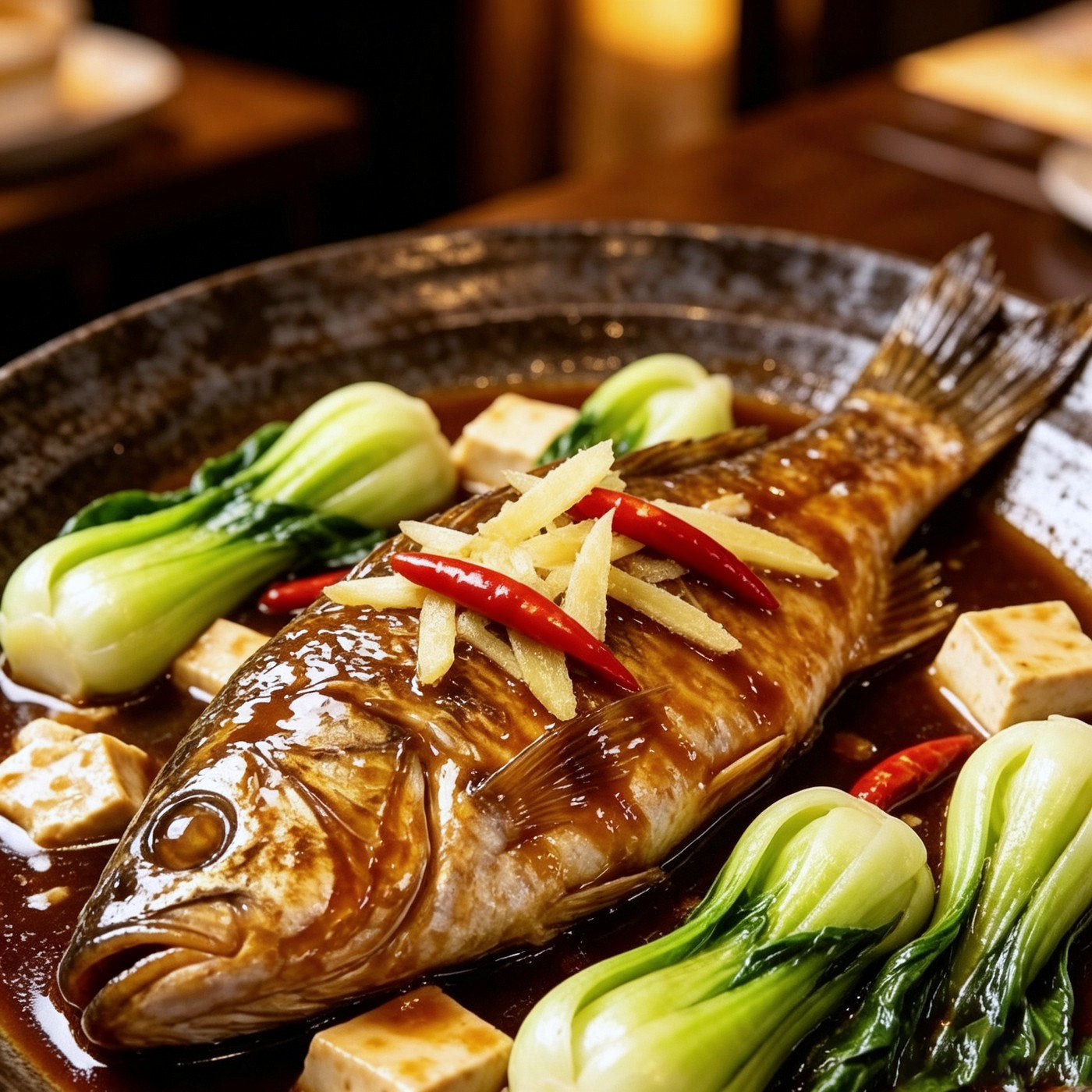
01Frozen Golden Pompano
$44.90

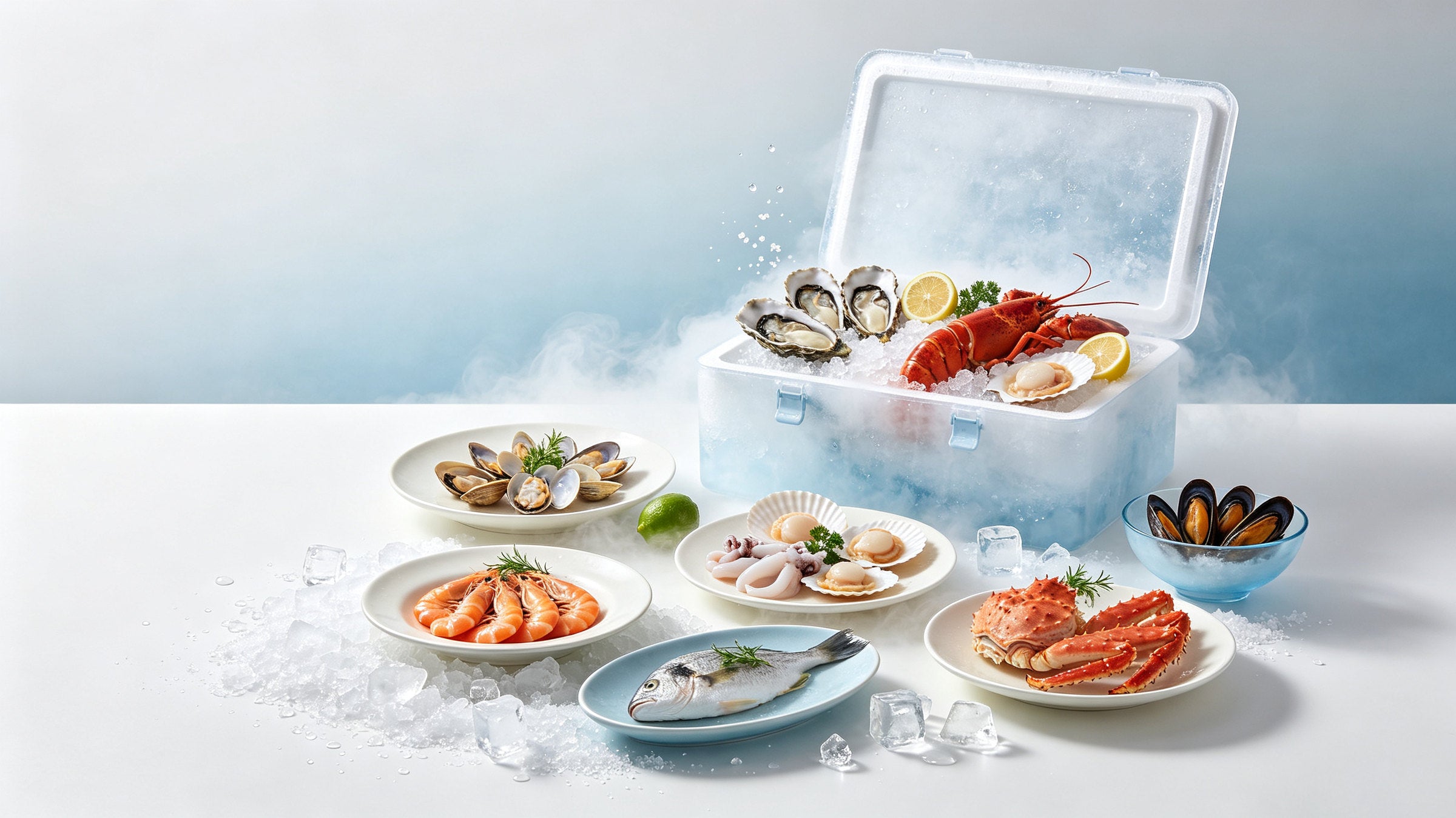
A considered selection of New Zealand seafood, shaped by cool coastal waters and chosen for clean flavour, natural texture and dependable quality. Follow the story from growing region and preparation to temperature-controlled delivery.
NEW ZEALAND ORIGIN
Our range is built around what New Zealand fishing and growing actually produces: whole fish, fillets, small fish, squid and shellfish. Each line is chosen for clean flavour, firm texture and dependable quality.
Every product page states the species, the region it came from, the form it is supplied in and the storage direction that applies, so the provenance stays specific rather than a broad country-of-origin claim.
 NEW ZEALAND COASTAL WATERS
FROM THE WATER
THE MARKET EDIT
01$44.90
 02
02$54.90
 03
03$59.90
 04
04$32.90
THE COLD JOURNEY

Before packing, the product, seal and label are checked and the required chilled or frozen condition is confirmed. Records should be kept wherever the food control process requires them.

Seafood that requires refrigeration is kept at 5°C or below during transport unless its product specification requires a tighter range. Time outside temperature control is kept to a practical minimum.

Frozen seafood is held in a frozen state through storage and delivery. On arrival it should go directly into the freezer; typical household freezer guidance is −18°C or colder.

The insulated liner, cold packs or frozen media are selected around the product type, season, travel distance and expected delivery window, with sealed packs separated from loose meltwater.
Exact limits and shelf life depend on species, processing method and the product label. Product-specific storage and use-by directions always take priority; if a pack arrives damaged or unexpectedly warm, it should be assessed before use.
NEW ZEALAND TO YOUR TABLE

New Zealand seafood begins with distinct coastal environments. Cool southern water, strong currents and sheltered harbours each give a different character, and where something was caught or grown is part of what it tastes like.
The useful detail belongs on the product: species, exact harvest region, whether it is farmed or wild-caught, and the form in which it is supplied.

Once harvested, seafood is graded and prepared according to species and product form. A whole fish, a fillet, small fish and shellfish do not share the same process, so trimming, packing and storage instructions reflect the actual item.
Sealed packaging protects the seafood from handling and cross-contamination, while clear labelling connects the product to its batch, storage condition and use-by guidance.

An insulated delivery box protects the order during the final route. Chilled and frozen packs are kept sealed and supported with appropriate cold media selected for the season and travel time.
At home, check that packaging is intact, read the product label, refrigerate chilled seafood promptly and return frozen seafood directly to the freezer. Thaw only according to the product directions.
SERVE IT SIMPLY
The image, product and advice now belong together: a fast hot pan for squid, gentle steam for a scored whole fish and a light fry for whitebait.
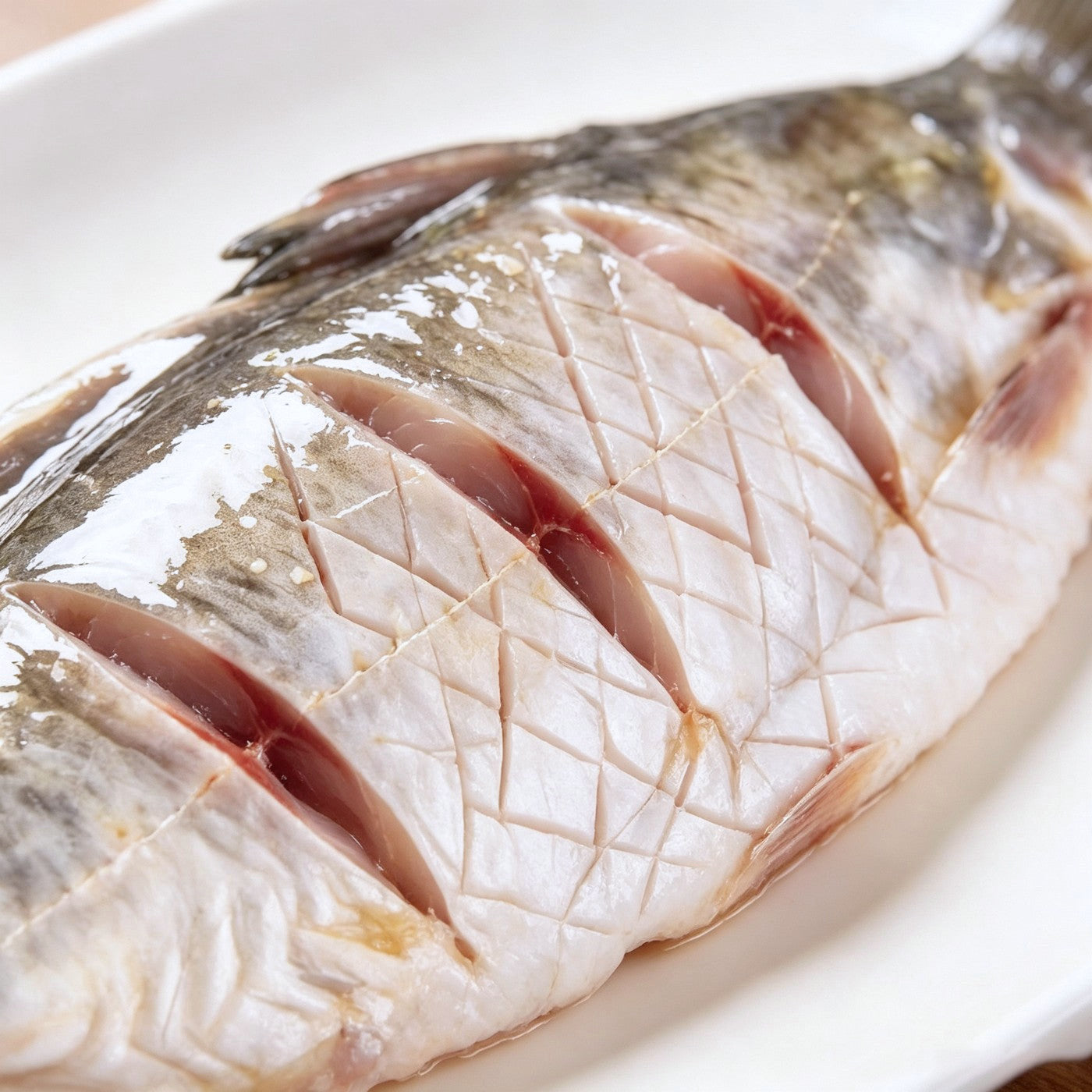
Steam it whole with ginger and spring onion, then finish with hot oil and a light soy dressing.
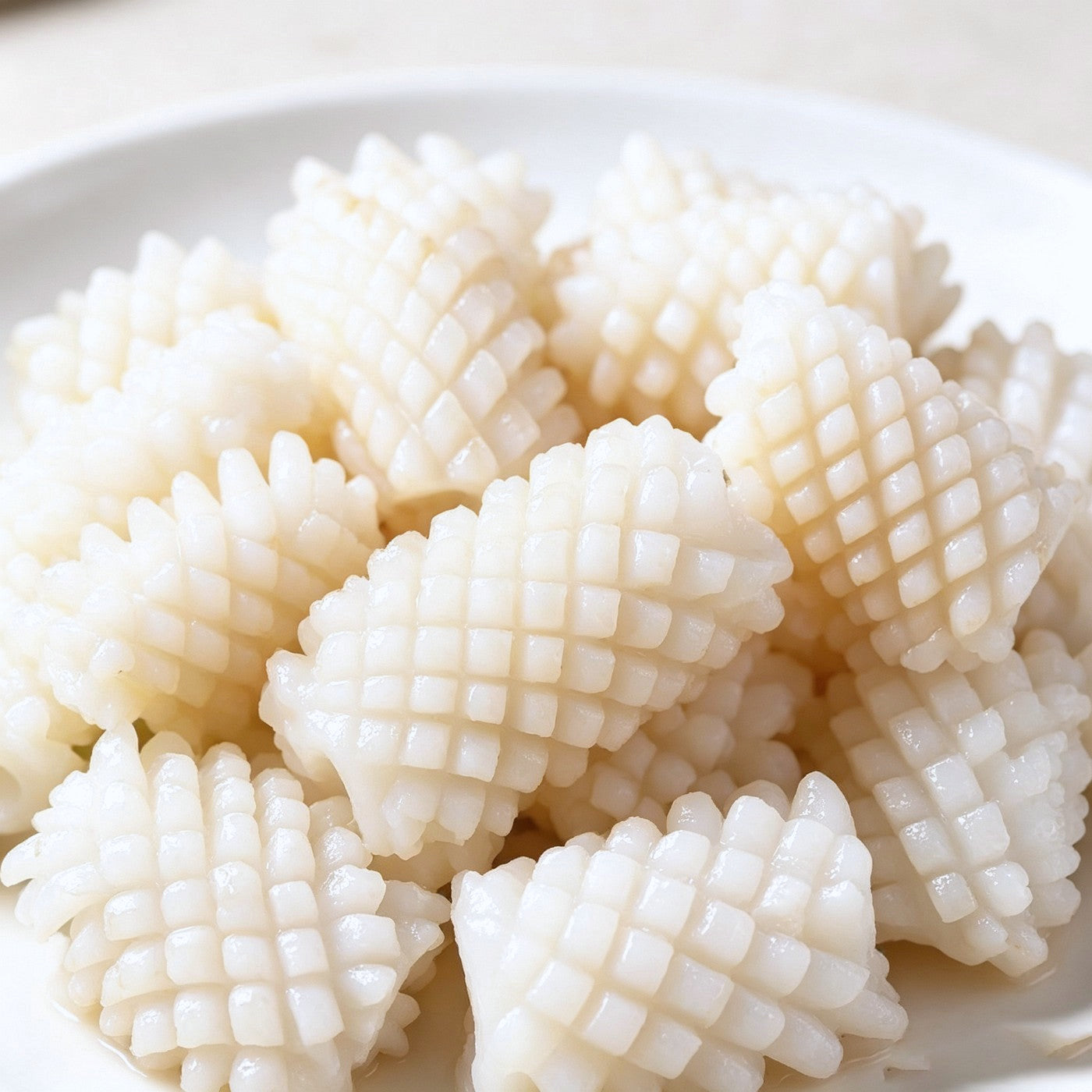
Score and blanch briefly, then toss in a hot pan. Long cooking turns it firm and rubbery.
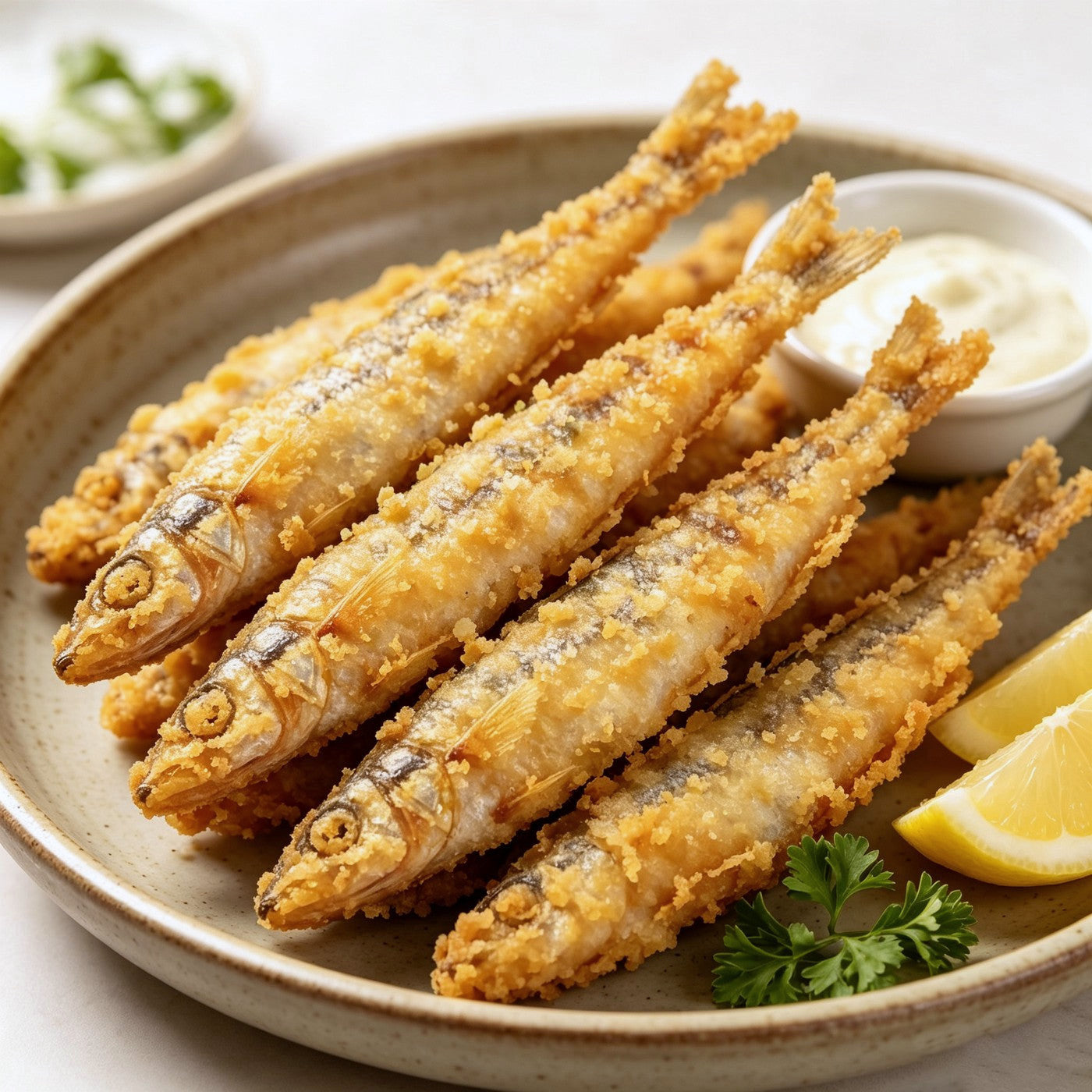
Coat lightly and fry in small batches, then serve as soon as it leaves the oil.
AT YOUR TABLE
From a named growing region to a clearly labelled pack, every detail should make the seafood easier to understand and more confident to prepare.
Choose the product for its species, origin and format, follow its individual storage directions, then keep the final cooking simple enough for the ingredient to remain the focus.